
Why I Chose Psychiatry
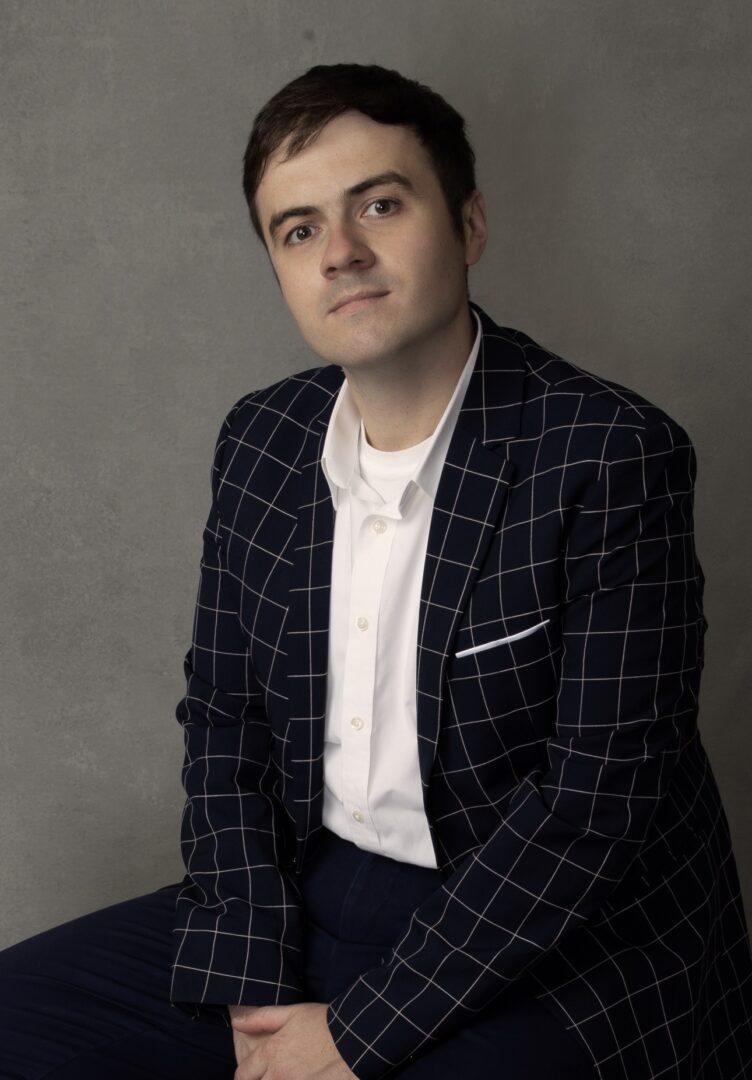
During medical school, I discovered a fundamental mismatch between how I wanted to practice and what most specialties offered. Rotation after rotation showed me the same pattern: brief encounters, quick prescriptions, barely time to learn a patient's name—let alone their story.
This wasn't the kind of doctor I wanted to be. When I told my mentors I wanted to truly understand my patients—their experiences, their struggles, what shapes them—not just treat symptoms, they all pointed me in the same direction: "You belong in psychiatry." They were right. From my first psychiatry rotation, everything fell into place. Patients opened up naturally. The depth of connection, the privilege of sitting with someone through their pain and growth—this was medicine as I'd envisioned it. Psychiatry gave me permission to practice with presence and purpose. I've never looked back.
Transforming Pain Into Purpose
I was born in Russia, where mental health was unspeakable—a society that demanded suffering in silence. Growing up, I watched family members, relatives, and friends struggle with mental illness behind closed doors, trapped by stigma that made seeking help impossible. These early experiences taught me a fundamental truth: mental health isn't a luxury—it's essential to human survival and our ability to find peace. The Russian-Ukraine war brought this lesson into sharp focus. I witnessed how conflict doesn't just destroy cities—it tears apart the fabric of communities and shatters families across borders, including my own. Watching this devastation unfold from afar reinforced my commitment to breaking the silence around mental health. Working across three different healthcare systems revealed another hidden crisis. I saw brilliant physicians battling depression alone, terrified that seeking psychiatric help could end their careers or cost them hospital privileges. This epidemic among healers—the very people we trust with our care—compelled me to specialize in physician wellness and suicide prevention. I now create safe spaces for colleagues navigating burnout and workplace trauma, offering the support they're afraid to seek elsewhere. Through these experiences, I've discovered that true healing doesn't mean returning to who we once were. It means emerging transformed—with deeper wisdom, authentic compassion, and an expanded understanding of what it means to be human.
What My Work is for
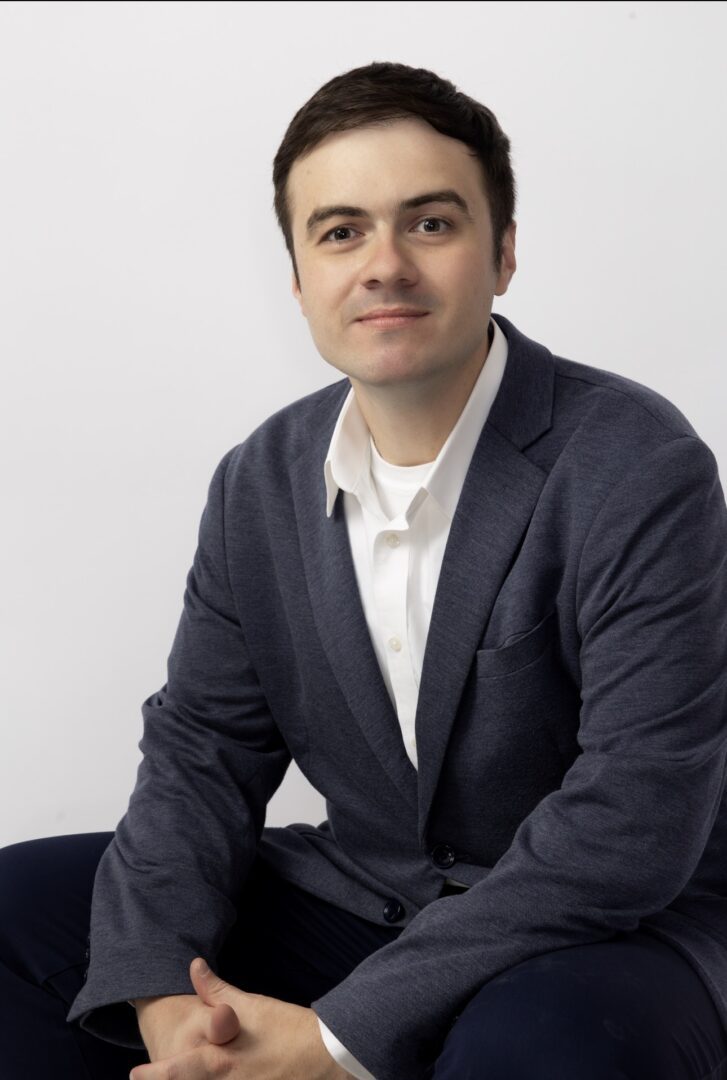
My path to psychiatry crosses continents and disciplines. Beginning at Sechenov University in Russia, continuing through postgraduate work in the UK, and culminating in residency at UMKC School of Medicine, I've built a unique perspective on mental health. My doctorate in psychology and Master of Public Health allow me to bridge individual healing with broader systemic understanding. I'm currently pursuing fellowship training in integrative & functional medicine at UC Irvine, continually expanding my approach to whole-person care.
The professionals I work with share common threads: they're thoughtful, high-achieving individuals seeking deeper meaning. Whether navigating life transitions, processing loss, or confronting emptiness despite outward success, they're ready to move beyond surface-level fixes. My role is to help you reclaim your authentic voice, establish healthy boundaries, and break free from the patterns keeping you stuck.
I maintain a traditional practice at Comprehensive Psychiatric Services during regular business hours. But recognizing that many professionals can't seek help without risking their careers, I founded BellM@nia Psych—an evening and weekend practice designed for your reality. This out-of-network option provides same-week appointments when you actually need them, not months later when a slot finally opens.
Why does this matter? Because healing shouldn't require choosing between your mental health and your livelihood. When you can access quality psychiatric care on your schedule—without awkward explanations or missed workdays—real change becomes possible.
Professional Background & Training
Board Certification
- The American Board of Psychiatry and Neurology (Psychiatry)
- The National Board of Physicians and Surgeons (Psychiatry)
M.D.
I.M. Sechenov First Moscow State Medical University, Moscow, Russian Federation
Residency in Psychiatry
UMKC School of Medicine, Kansas City, MO
Fellowship Program in Contemporary Forms of Psychoanalysis
Institute of Contemporary Psychotherapy+Psychoanalysis, San Diego, CA
Fellowship in Integrative & Functional Medicine
Susan Samueli Integrative Health Institute, University of California, Irvine
Postgraduate Diploma Program in Clinical Psychiatry
University of South Wales, UK
M.P.H.
Columbia Southern University, Orange Beach, AL
Psy. D.
The American InterContinental University System (AIUS), CalSouthern University, School of Behavioral Sciences, Chandler, AZ
Interprofessional Graduate Certificate Program in Palliative Care
Graduate School at the University of Colorado Anschutz Medical Campus, Aurora, CO